Cats Herd You

Laugh. Learn. Love cats.

  • Home
  • Safety
  • Wellness
  • Rescue
  • Reviews
  • Life With Cats
  • About
  • Media Friendly
  • Contact
You are here: Home / Archives for rescue

A Visit to Big Cat Rescue

Today, we are letting the head peep tell the story of how she two-timed us big time. And by big time, we mean she two-timed us with big cats!

I recently had the opportunity to tour Big Cat Rescue. They now function as a rescue sanctuary, and their property  is a collection of “catitats”, mostly large, oval enclosures, linked with tunnels so that the cats have choices of areas to go. All of the cats have den areas, trees to climb, and if appropriate for their species, tall grasses and other foliage to hide in.

serval and foliage

One of the things that a lot of cat lovers will notice in my photos is that all but one where I got a shot of a fairly distant cat have bars in front of the cats. Big Cat Rescue is a no-contact facility, and even their staff have no contact with the cats except for blood draws through the side of a lockout cage or while the cats are under sedation for more extensive care.
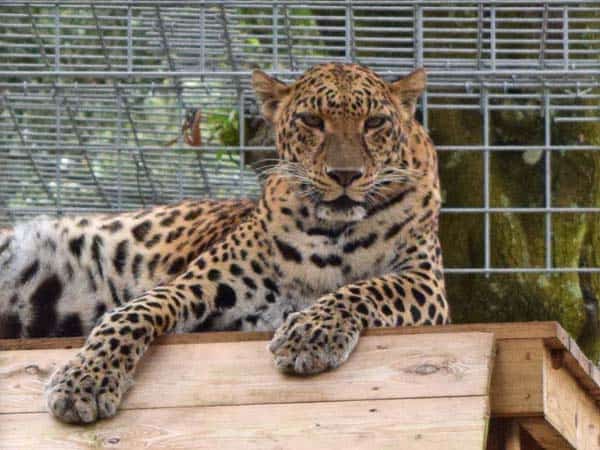
leopard

We toured the property, and one of the senior keepers talked about the cats. What struck me about her stories about the histories of the various cats was how many of the cats were given up for the same kinds of reasons that we hear of domestic cats surrendered to animal shelters: divorce, people moving to locations they can’t keep that kind of pet, not using litter/spraying, even being too expensive to keep. They have cats who were brought to vets for care and abandoned there, and even one who was brought to them for boarding and the owner never returned. How can anyone familiar with domestic cat rescue not see the similarity to the reasons for surrenders?

Additionally, they have rescued cats from failed zoos, retired circus performers, and even an unknown hybrid guessed to be similar to a F1 Savannah Cat who was unexpectedly trapped on Feral Cat Day a few years ago and was more than a local animal control knew what to do with.
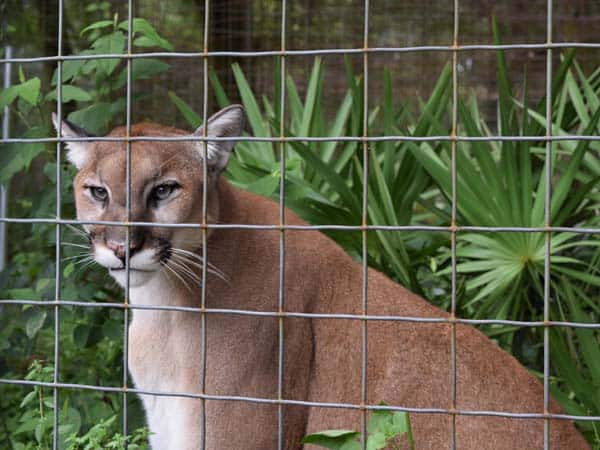
cougar01_sm

Walking through Big Cat Rescue, of course it was a little sad to see these cats in enclosures rather than in the jungle or on the savannah. But captive-bred, these cats don’t have the instincts they need to go out and hunt for themselves. Many of them were declawed by their previous owners or suffer from ailments brought on my poor nutrition or inadequate vet care before they arrived at Big Cat Rescue. Many others are seniors, suffering from age-related ailments like cataracts and arthritis that we see in our own domestic cats as they age. These things make it impossible for the cats to safely fend for themselves. But at a sanctuary, they are safe and cared for by the staff and a small army of volunteers.

lion

While Big Cat Rescue has only a handful of full time employees, they get a lot of their help through their volunteer program. I met senior keepers who had been volunteering there 11 and 12 years, respectively, and they obviously viewed each of the cats with both affection and a great deal of respect.

Part of our tour was getting to watch operant conditioning of the big cats, which is a fancy word for training. The cats are taught to present paws, stand up, and open their mouths. They aren’t asked to do tricks like roll over or play dead. The behaviors they learn are to help it to be easier to check on their health daily. The big cats get raw meat treats on the end of a stick for responding to the hand signal since the facility is completely hands-off with the big cats.
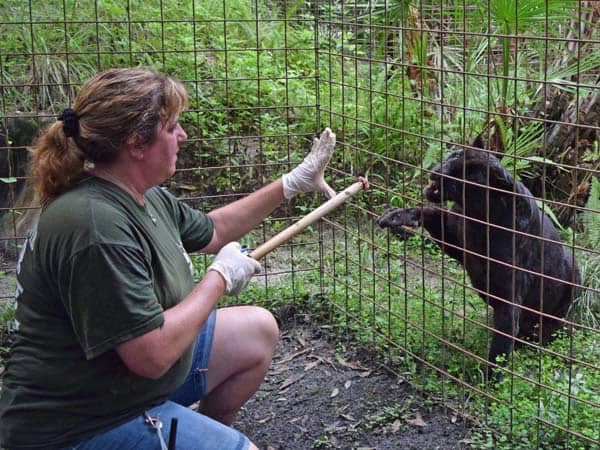
A black leopard responds to the keeper's hand signal to open his mouth

The sanctuary also has a thriving internship program. One intern I talked to had an Environmental Sciences degree and was going into his tenth month of internship. In addition to helping care for all of the big cats, the interns also care for little ones. A partnership with the local animal control has the interns of Big Cat Rescue caring for neonatal kittens until they are an adoptable age, then they return, fully socialized, for adoption.

During our tour, the keeper distributed enrichment items like cardboard tubes full of spices and catnip for the cats. Yes, big cats like catnip too! One of the surprising things that was a big hit with some of the cats was the cut off top of a pineapple.

bobcat and pineapple top

I also stayed for the feeding tour, which gave a lot of insight into the staggering cost of feeding a big cat. It was also really touching to see the keepers taking extra time with some of their senior cats to make sure they ate their whole meals. It reminded me of feeding time with my own senior cats over the years.

tigerThe whole experience of visiting Big Cat Rescue was much more thought-provoking than I had expected. While the tour and the sanctuary carries a strong message of not trying to keep big cats as house pets and opposing the breeding and trade in big cats, that wasn’t what struck me most. What I noticed most was how similar the issues of big cat rescue are to domestic cat rescue. The primary difference is that people are breeding big cats for profit, while little cats in the community breed on their own. The result is the same: too many cats for the number of knowledgeable homes able to take them in. I’m glad that there are sanctuaries for big cats the way that there are a handful of sanctuaries for some less-adoptable domestic cats. Neither may be the ideal home for them, but it’s good to know that someone who loves them and cares for their needs.

If you are ever in the area, it’s a fascinating place to visit, both through the lens of cat rescue as a whole and as an opportunity to see how they care for rescued big cats.

Share Share on email
Email
Share on twitter
Twitter
Share on facebook
Facebook
Share on pinterest
Pinterest
Share on google
Google
Share on tumblr
Tumblr
Share on linkedin
Linkedin

August 28, 2014 Filed Under: Rescue, Tourism Tagged With: big cats, Cats, rescue 23 Comments

Seniors: Untapped Homes for Homeless Cats in Need

An increasing percentage of our human population is made of older adults. In the US, the majority of people over age 65 live independently, and an estimated 14% live with pets. Caring for pets can give older adults a strong sense of purpose. Older adults are more prone to social isolation, and in older adults with fewer social contacts, a study found that those having a strong attachment to a pet reported lower rates of recent illness than those who were less attached.

Pets are good for older adults, but only 14% live with pets. Using 2010 US census figures, back-of-the-envelope math says that there are 30.7 million adults over age 65 in the US living independently who have no pets. Is this an untapped source of homes for pets in need?

Helping Seniors Adopt

There may be obstacles that prevent seniors who would otherwise make good, doting homes for pets from adopting such as:

  • Fear of leaving their pets homeless if they are hospitalized or have to go to a nursing home
  • Inability to afford annual veterinary expenses on fixed income
  • Inability to afford adoption fees

Senior Woman Relaxing In Chair At Home With Pet CatGroups are starting to establish programs to help seniors who would otherwise make great homes for pets get past these potential pitfalls. Initiatives like the PAWS Seniors for Seniors program in Lynwood, WA match senior cats and dogs with senior citizens for reduced rate adoption and include extra followup as well as a guaranteed place that the adopted pet can go in case of long-term hospitalization or entry to nursing home. The Seniors for Seniors program at Animal Aid in Gippsland, Australia not only discounts adoption fees, but also offers half price routine veterinary fees and two pickup and delivery trips for the pet to and from the shelter each year to use their services.

Seniors as Foster Homes

Some senior citizens don’t feel up to the full-time responsibility of caring for a cat or dog, but they have plenty of time and love to spare certain times of the year. This can happen when seniors travel during parts of the year or when they are snowbirds and live in different areas of the country during the winter and summer. These seniors can still be vital parts of the rescue community by being foster homes for pets in need.

Programs like the Pets Alive Animal Sanctuary’s joint program with Orange County California’s Office for the Aging’s Senior for Seniors Pet Foster Program match seniors with senior pets. Like most foster programs, the rescue organization covers the costs, and the senior provides the loving care of the foster in need.

Shelter Programs Help Seniors Keep Pets

retiree couple with catIt’s clear that some shelters can afford to be more generous than others when it comes to post-adoption perks for seniors, but reduced-rate or free adoptions on pets who are matched to the disposition of the senior’s home are programs that most shelters an afford when they often run reduced rate or free adoptions other holidays or occasions.

Some seniors may not be able to adopt because their senior community won’t allow pets for fear they will be responsible for a cat or dog when a resident becomes ill or is hospitalized. Meeting with the senior community management and discussing the issue may help, especially if your shelter has a policy offering to take back the senior’s adopted pet in case of the senior’s illness or hospitalization.

With a little support, many seniors who previously weren’t able to have cats or dogs can open their homes and their hearts to sharing them with pets. Both the pets and the seniors benefit, so it’s a real win-win for everyone!


References

Waltham Pocket Book of Human-Animal Interactions, Waltham
Pet ownership and attachment as supportive factors in the health of the elderly, Pet Partners
A profile of Older Americans: 2011, Department of Health and Human Services USA
Seniors Can Save Lives of Homeless Pets, Animal Shelter Tips
Photo courtesy Matt Buck on Flickr

Share Share on email
Email
Share on twitter
Twitter
Share on facebook
Facebook
Share on pinterest
Pinterest
Share on google
Google
Share on tumblr
Tumblr
Share on linkedin
Linkedin

August 21, 2014 Filed Under: Rescue Tagged With: Cats, rescue, seniors 11 Comments

It’s Check the Chip Day

August 15 is National Check the Chip Day. It’s a reminder to all of us that getting your cat microchipped isn’t the only step in the process in giving her a much higher chance of getting home. A 2009 study at the College of Veterinary Medicine at Ohio State revealed found that cats have a 20 times higher chance of being returned to their owners after entering an animal shelter if they are microchipped.

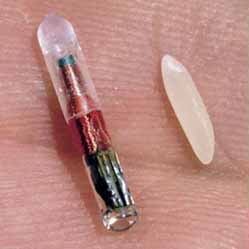
A pet microchip is slightly bigger than a grain of rice

A pet microchip is slightly bigger than a grain of rice

Just having a microchip isn’t enough. There is a three-step process you should complete for any microchipped pet:

Step 1: Get Chipped

Getting your cat microchipped is a simple procedure that can be done at your veterinarian’s office. Reduced-cost and sometimes even free microchips are available at events in your community. Microchips are implanted under the skin with a large-gauge needle, like getting a vaccination.

Step 2: Get Registered and Keep Contact Information Current

Register your microchip, and keep it up to date if your contact information changes. This is important because one of the leading causes of microchipped pets not being able to get home is not being able to find the current contact information for the pet’s home. If you get a microchip implanted in your kitty and then move across the country, your old vet who implanted it may lose touch with you. If your microchip isn’t registered, the last person the microchip company knew had the chip was your old vet. Keep your contact information up to date with the chip registry to be found when your pet needs you most.

Step 3: Check The Chip

RFID Scanner

An example of an RFID scanner used to check microchips

Check the chip! Microchips are implanted between the shoulder blades. When Ashton was a bony, little kitten, you could feel the chip, about the size of a big grain of rice, if you scritched her shoulders just right, just past the end of her neck at her shoulders. In rare cases, a microchip can migrate. this doesn’t hurt your cat or dog, but it does mean that if someone passes a microchip scanner over your pet’s shoulders, it won’t be energized by the electromagnetic field produced by the scanner. This can lead to the microchip not being detected. To be sure this hasn’t happened, ask your veterinarian to scan for your cat’s chip as a part of their routine veterinary exam.


References

Microchips Result in High Rate of Return of Shelter Animals to Owners, OSU Research News

Share Share on email
Email
Share on twitter
Twitter
Share on facebook
Facebook
Share on pinterest
Pinterest
Share on google
Google
Share on tumblr
Tumblr
Share on linkedin
Linkedin

August 15, 2014 Filed Under: Rescue Tagged With: microchip, rescue 18 Comments

Blog the Change for Animals: Donate through Amazon Smile

BlogtheChangeToday is the quarterly Blog the Change for Animals Day. It’s a day when many bloggers write about animal causes they care about. It’s also a day that you can do something to make the difference in the lives of animals.

Blog the Change for Animals ideas can range from simple to grand, but this one is something that nearly everyone who reads it will be able to do today to benefit animals in your community, and will only take moments of your time.

Do you shop at Amazon? Did you know that you can set up your favorite rescue or shelter to receive .05% of eligible purchases automatically? It’s called Amazon Smile.

To use it, log in to Amazon and then access http://smile.amazon.com/. You can select the eligible rescue or shelter from their list. Then shop just like you always do. Tens of millions of items are eligible to generate Amazon Smile donations for your rescue or shelter, and they are clearly labeled on the site. The only thing you have to do is remember to access Amazon through the Amazon Smile home page. Whenever you do, a banner at the top of the screen reminds you which organization receives the donation from your purchases.

AmazonSmile_Screen_capture

If you browse the web with Chrome, there’s a even a Chrome extension called Smile Always that ensures any purchase you make through Amazon is routed through Amazon Smile so that you don’t forget to do it manually.

The small donation is kind of like throwing change into a jar to give to your favorite rescue organization. It may not be a lot of money, but if everyone put their spare change in a jar and gave it to animal rescue organizations, they would have a lot more funds to help take care of the animals in their care. Your donations make a difference, so if you shop Amazon, don’t forget to configure and use Amazon Smile to save that spare change for your favorite rescue.

Share Share on email
Email
Share on twitter
Twitter
Share on facebook
Facebook
Share on pinterest
Pinterest
Share on google
Google
Share on tumblr
Tumblr
Share on linkedin
Linkedin

July 15, 2014 Filed Under: Rescue Tagged With: amazon, amazon smile, blog the change for animals, rescue 25 Comments

  • 1
  • 2
  • Next Page »

Read Ashton’s Story in Rescued, Volume 2

These pawtographed books support Candy's Cats, who work tirelessly to find homes for cats in Florida.

Rescued, Volume 2: The Healing Stories of 12 Cats, Through Their Eyes. Proceeds from authographed copies benefit Candy's Cats.


Outside the US, contact us for shipping to your location.

Read Us by Email

Don't miss a thing! Cats delivered to your email.

Privacy Policy


Archives

All Rights Reserved

Articles and images on this site may not be reproduced in whole or in part without written consent. Please contact me if you are interested in reprinting or in having me write something unique for you.

Disclaimer

There are no veterinarians here. All health-related posts are the result of research and observation, but educational information is not a substitute for visiting your veterinarian. Do not self-diagnose your cat. For more information, see our disclaimer.

Policies

Disclosure Statement
Privacy Policy
Commenting Policy

Copyright © 2026 · Sometimes Cats Herd You · All Rights Reserved