Cats Herd You

Laugh. Learn. Love cats.

  • Home
  • Safety
  • Wellness
  • Rescue
  • Reviews
  • Life With Cats
  • About
  • Media Friendly
  • Contact
You are here: Home / Archives for Health

Do Cats Prefer Sight or Smell?

As someone who lives with sight-compromised cat like Ashton, I notice every day how she compensates for her lack of depth perception with other senses and workaround behaviors. So I was really interested to read that the University of Lincoln in the UK had done a study of whether cats prefer using their sense of sight or smell.
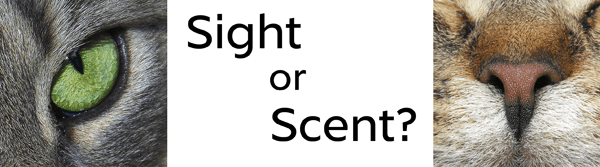
Cat sight or scent

In the study, the researchers set up a maze with a T shaped decision point where the cats would have to go right or left. The cats learned that a certain colored symbol and scent at the junction pointed them to the direction in the maze where they would receive food, and other colored symbol and scent indicated that there would be no food found down that branch of the maze. Once the cats learned how to read the signs to tell them which direction to go, the scent and visual symbols were swapped, so the scent that indicated the direction with the food was paired with the visual symbol that indicated no food, and vice versa.

The researches learned that most cats in their study had a significant preference for using either their sense of smell or sight. The majority of cats used their vision more than sense of smell. It also found that a minority of cats show a preference for using their sense of smell rather than their sight when taking cues from the environment.

The study observes that cats who show a bias for their sense of smell might be the ones who respond to stress in their environment by urine marking, and they suggest a future study of pairs of cats who live together where one sprays and the other doesn’t to see if this preference for scent over vision may correlate to cats who spray.
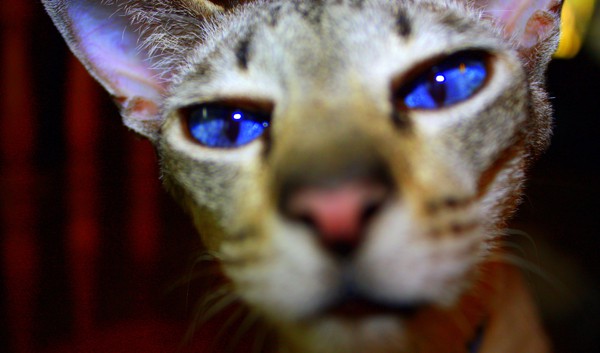
cat with nose toward camera

I hope the University of Lincoln does that followup study, because it could have big implications for helping understand feline behavior better. In the meantime, I’m confident that Ashton, for her part, is one of the cats who prefers using her sense of smell as an indicator. We’ll never know if she would have had that bias if she had two working eyes, but her super-sniffer makes up for her lack of binocular vision.

Do any of your cats obviously have a bias for using their sense of smell over sight, or vice versa?


Reference and further reading:

Applied Animal Behavior Science, Individual differences in visual and olfactory cue preference and use by cats (Felis Catus)

Photo credits:

Wikimedia Commons, Cats Eye
Wikimedia Commons, Cat’s Nose
Flickr, Roy Montogmery

Share Share on email
Email
Share on twitter
Twitter
Share on facebook
Facebook
Share on pinterest
Pinterest
Share on google
Google
Share on tumblr
Tumblr
Share on linkedin
Linkedin

December 10, 2015 Filed Under: Health 20 Comments

Behavioral Advice for Kittens Can Have Big Payoff for Cats

Could a little bit of advice from a feline behaviorist during kittenhood make the difference between a cat’s life with their family and a return to a shelter? A recent study by the department of veterinary science at the University of Pisa tried to find out. The study, The prevention of undesirable behaviors in cats: Effectiveness of veterinary behaviorists’ advice given to kitten owners, tested to see how much better-behaved cats were when their families received feline behavioral advice for kittens.

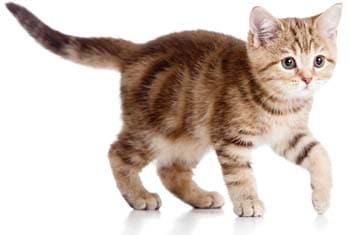
kitten_walking_sm

For the study, 45 families with new kittens received 25 minutes of standardized advice about cat care. Then, the cats whose families received behavioral advice were compared to a control group of 46 cats whose families had not received any advice when the cats were a little more than a year old.

Of the group who received behavioral advice, only 2 families asked for additional advice about their kitten’s behavior between the time they initially received the advice and the cat’s first birthday. That’s a bit contrast with nearly half of the families who didn’t receive behavioral advice, who asked for behavioral advice or help before their cat’s one-year-old vet visit. Proactively giving this behavioral information appears to have allowed these families to not have to seek the information on their own.

kitten_sits_smFamilies who had been given behavioral advice about their cats during kittenhood were much less likely to have complaints about their cat’s behavior later, too. Only 4% of the group who received the advice had at least one complaint about the behavior of their 1-year-old cat, but 46% of the families who did not receive advice had behavioral complaints.

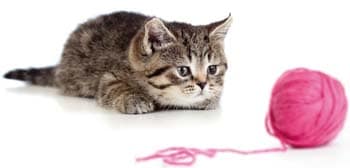
kitten_yarn_smA surprising contrast between the advice and no-advice groups was how the cats were fed. 39% of the families whose families had not received behavioral advice reported they fed their cats any time they asked for food, while 30% of those families fed the cat twice a day. Families who were advised that their kittens would benefit from smaller, more frequent meals appeared to have put this information to action, with 71.1% feeding their cat three or more scheduled times a day.

The early advice seemed to have helped families teach their cats that climbing was not acceptable on some furniture. 62.8% of the cats whose families had no advice climbed on all of the furniture in the house, while only 35.1% of the cats did so. The advice seemed to extend to climbing curtains, too, with only 8.9% of the cats whose families had early advice climbing the curtains, while 23.9% of the cats in the control group scaled the curtains.

Collection of funny playful cat kitten isolated on white backgroCats whose owners had early advice also seemed less likely to have inter-cat conflicts in the household or to maintain poor relations with the family dog. They were also more willing to allow members of the family to touch any part of their bodies and less likely to show aggression toward humans.

Probably most striking was the fact that some families in the study who didn’t receive behavioral advice relinquished their cat before their first yearly vaccination booster. All of the cats in the study whose family received advice were still in their homes at the end of a year. A little bit of advice may have made the difference between cats staying in their homes or ending up homeless!

Overall, the results of the study show that families understanding why their cat behaves the way they do and having instructions on how to manage or embrace their cat’s behavior can make a difference in their cat’s welfare. If a short talk from a behaviorist can keep cats in their homes with a strong bond with their families, it seems  like a valuable use of the adoptive family’s time. Perhaps this could someday be included along with kitten vaccinations, since it can have such an impact on the long-term well-being of the cats.


Reference

Journal of Veterinary Behavior, The prevention of undesirable behaviors in cats: Effectiveness of veterinary behaviorists’ advice given to kitten owners

Image credits

Depositphotos/Andrey_Kusmin
depositphotos/oskun70

Share Share on email
Email
Share on twitter
Twitter
Share on facebook
Facebook
Share on pinterest
Pinterest
Share on google
Google
Share on tumblr
Tumblr
Share on linkedin
Linkedin

December 3, 2015 Filed Under: Health 14 Comments

Lintigo Simplex – Freckled Noses in Orange Cats

Newton has a black spot stretching up his philtrum, the vertical groove in his nose. You may have noticed that it looks like he’s always a little dirty there, but he’s a very clean cat. He has lentigo.

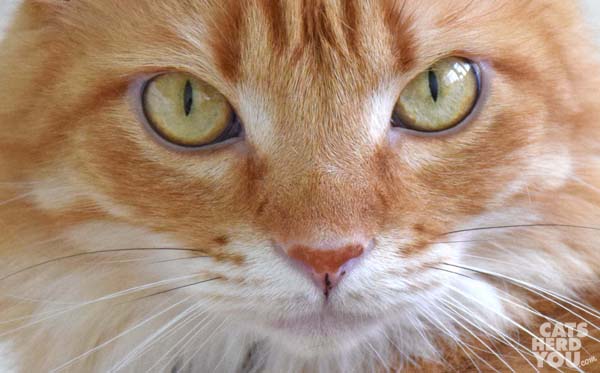
orange tabby cat's eyes, nose, and whiskers
Lentigo simplex a genetic condition in orange, calico, and tortoiseshell cats resulting in dark spots found which can begin appearing as early as when the cat is a year old. The lentigines (the fancy plural word for lentigo) begin appearing first on a cat’s lips, small and having no symptoms. Unless your cat spends time checking out his lips in the mirror, he won’t know they are there because he can’t feel them any more than a human feels freckles.

Unlike freckles, lentigines don’t change appearance by time of year or by the amount of sun exposure your cat gets. Once your cat has lentigines, it may get larger, or others may follow. Spreading along his lips, gums, nose, and even appearing on his eyelids and/or the inside of his ears. They can even appear on your cat’s footpads.

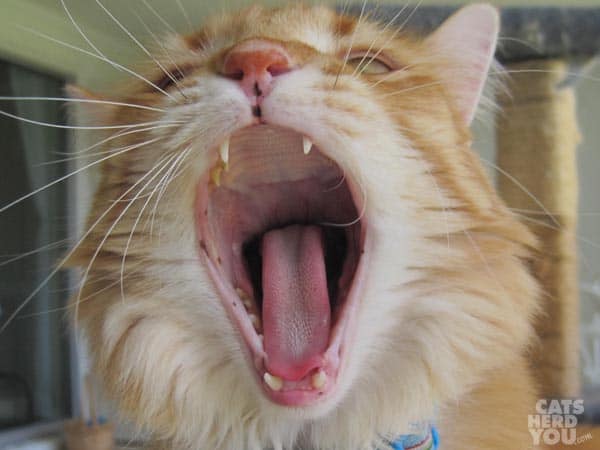
orange tabby cat with mouth open wide faces camera

Newton has a pretty mild case of lentigo. Other cats have much more distinctive lentigines.

orange cat + freckled nose = lentigo

The good news is that lentigo is just cosmetic, and it doesn’t develop into melanoma. The only bad news is that there’s no way to at a glance for you at home to tell lentigines apart from melanomas. If you’re ever concerned about a spot on your cat, especially if it changes in size or becomes raised or tender, see your vet to be on the safe side.


Reference and Further Reading

Muller and Kirk’s Small Animal Dermatology7: Muller and Kirk’s Small Animal Dermatology, Hyperpigmentation: Genetic, Lentigo Simplex in Orange Cats
Problem-based Feline Medicine, Hyperpigmentation (Lentigo Simplex)
University of Sydney Centre for Veterinary Education, Lentigines

Photo Credit

flickr/ilovebutter

Share Share on email
Email
Share on twitter
Twitter
Share on facebook
Facebook
Share on pinterest
Pinterest
Share on google
Google
Share on tumblr
Tumblr
Share on linkedin
Linkedin

November 12, 2015 Filed Under: Health 25 Comments

Your Cat Isn’t Going To Make You Crazy

cat tilts head sidewaysOne of the persistent stories that won’t go away is that your cat will make you crazy by infecting you with toxoplasmosis. In our clickbait internet culture, sensational headlines about “Your Cat is Making You Crazy” are sure to bring in the readers, so the story continues to pop up again and again, slowly turning into an urban myth. Like most urban myths, what started with a grain of truth is wrapped in a whole lot of not-so-true.

What is Toxoplasmosis, Anyhow?

A single-celled parasite called Toxoplasmosa gondii causes a disease called toxoplasmosis, which infects an estimated 60 million people in the US. Healthy immune systems keep the parasite from causing illness, so very few people actually have symptoms. However, pregnant women and those with poor immune systems are told to be cautious.

People can be exposed to T. gondii from:

  • Eating undercooked, contaminated meat (especially pork, lamb, or venison)
  • Accidentally ingesting contaminated meat due to cross-contamination (handling it and not washing your hands thoroughly, using cutting boards and utensils on undercooked meat and then using them for other food without properly sanitizing them)
  • Drinking contaminated water
  • Accidentally ingesting the parasite after cleaning a litter box of a cat who is shedding T. gondii and not cleaning your hands or other surfaces that feces comes into contact with
  • Accidentally ingesting contaminated soil by not washing your hands after gardening, or by eating unwashed fruit or vegetables from a garden
  • Mothers can infect unborn children
  • Infected blood transplants or organ transplants
  • Unprotected sexual intercourse with a partner infected with toxoplasmosis

Toxoplasmosis - high magnificationSince infected cats shed the oocysts that contain the parasite in their feces, pregnant women are warned by their healthcare providers to take extra precautions about cleaning their cat’s litterbox to prevent potential infection, so many women have already heard of toxoplasmosis through their doctor.

How this Story Got Started on the Internet

A pair of studies were published in the past few years that helped excite a lot of clickbait headlines.

A 2012 study, Brain cancer mortality rates increase with Tosoplama gondii seroprevalence in France, noted that in France, regional mortality rates were higher where the level of T. gondii parasite was higher in the population. Headlines around the world insisted that your cat was going to kill you with toxoplasmosis, despite the fact that this wasn’t the conclusion of the study at all. The study also pointed out that T. gondii prevalanence in pregnant women were lowered over a twelve-year period, probably due to improvements in meat production that reduced contaminants, and that brain cancer related deaths have increased over time due to science’s ability to detect brain cancer. The study’s conclusion said “this novel evidence of a significant statistical association between T. gondii infection and brain cancer does not demonstrate causation,” and the authors called for further research. The actual conclusion of the study was lost in the sensational headlines and not mentioned in the stories carried in the worldwide media.

Book with magnifying glass

A study published in 2015, Is childhood cat ownership a risk factor for schizophrenia later in life?, caused similar, overly-sensational stories that are still showing up in popular science magazines and web sites. This study cited answers from a previous questionnaire and concluded that individuals with mental illnesses were more likely to have had a cat in their home when they were children. Since the study didn’t account for the many other variables in the children’s homes, the study itself said, “We urge our colleagues to try and replicate these findings to clarify whether childhood cat ownership is truly a risk factor for later schizophrenia.” Unfortunately, once more, the media ignored this conclusion in the interest of telling a more interesting story.

Why do these stories go racing around the internet? Bad journalism.

Why Your Cat Won’t Make You Crazy or Give You Brain Cancer

If you’re still convinced that T. gondii is the problem and that it will cause mental health issues and/or brain cancer, your cat still isn’t to blame.

cat with back to cameraCats aren’t the way that people are exposed to T. gondii come into contact with it. Humans most commonly contract it by eating undercooked meat that contains T. gondii in the tissue. Contact with contaminated soil (combined with poor hygiene) and eating unwashed vegetables are also significant risk factors.

If your cat is exposed to T. gondii, she acquires immunity and isn’t likely to become infected unless she has an immune problem. So if kitty does become infected, she only passes oocysts containing the T. gondii parasite for two weeks, ever. After your cat leaves feces in the litterbox, the oocysts in the feces incubate for one to five days before they open and are infectious. This means if you scoop your cat’s litterbox once a day, even if your cat is shedding the T. gondii parasite, you’re getting it out of there before it could infect anyone else. (You’re scooping the litter box every day anyhow, aren’t you? If not, your cats will thank you!)

If You’re Still Worried about Toxoplasmosis

It’s unlikely that you will contract toxoplasmosis from your cat, but if you are pregnant or have a compromised immune system, it’s a good idea to be careful. To reduce your risk:

  • Avoid undercooked meat.
  • Wash all uncooked vegetables thoroughly.
  • Wash all cutting boards and utensils that might have come in contact with meat before using them.
  • Wear gloves when gardening or working in soil for other reasons. If you don’t wear gloves, wash your hands thoroughly afterward
  • Ask your spouse, friends, or neighbors to help out with litter box duties while you’re pregnant. Alternatively, wear rubber gloves when changing the litter and thoroughly wash your hands afterward.
  • Scoop your cat’s litter every day.
  • Keep your cat indoors to prevent your cat from being exposed to T. gondii.

What Can You Do about these Stories

The biggest thing we have to fear from scary headlines about our cats making us crazy or giving us brain cancer is the spread of misinformation.

black cat with laptop

When you see a scary headline, take a moment to do a little research and see whether it’s true before sharing it on Facebook or forwarding it to all of your friends in email. Refusing to share and being knowledgeable enough to let others know that they are sharing bad information is the only way to stop rewarding the media for their misinformed, sensationalist headlines that can hurt cats or leave them homeless.

Updated January 2016 to add reference to sexual transmission.


Research and Further Reading

Centers for Disease Control and Prevention, Toxoplasmosis FAQ
Humane Society of the US, Pregnancy and Toxoplasmosis
Journal of the Schizophrenia International Research Society, Is childhood cat ownership a risk factor for schizophrenia later in life?
Journal of Molecular Epidemiology and Evolutionary Genetics in Infectious Diseases, Brain cancer mortality rates increase with Toxoplama gondii seroprevalence in France
The Royal Society Biology Letters, Cat ownership is neither a strong predictor of Toxoplamsa gondii infection nor a risk factor for brain cancerMedical Hypotheses Journal, Toxoplasmosis can be a sexually transmitted infection with serious clinical consequences. Not all routes of infection are created equal

Photo credits:

Wikimedia Commons/Toxoplasmosis
depositphotos/DepositNovic
depositphotos/cynoclub
depositphotos/HASLOO

Share Share on email
Email
Share on twitter
Twitter
Share on facebook
Facebook
Share on pinterest
Pinterest
Share on google
Google
Share on tumblr
Tumblr
Share on linkedin
Linkedin

October 15, 2015 Filed Under: Health 31 Comments

  • « Previous Page
  • 1
  • …
  • 9
  • 10
  • 11
  • 12
  • 13
  • …
  • 18
  • Next Page »

Read Ashton’s Story in Rescued, Volume 2

These pawtographed books support Candy's Cats, who work tirelessly to find homes for cats in Florida.

Rescued, Volume 2: The Healing Stories of 12 Cats, Through Their Eyes. Proceeds from authographed copies benefit Candy's Cats.


Outside the US, contact us for shipping to your location.

Read Us by Email

Don't miss a thing! Cats delivered to your email.

Privacy Policy


Archives

All Rights Reserved

Articles and images on this site may not be reproduced in whole or in part without written consent. Please contact me if you are interested in reprinting or in having me write something unique for you.

Disclaimer

There are no veterinarians here. All health-related posts are the result of research and observation, but educational information is not a substitute for visiting your veterinarian. Do not self-diagnose your cat. For more information, see our disclaimer.

Policies

Disclosure Statement
Privacy Policy
Commenting Policy

Copyright © 2026 · Sometimes Cats Herd You · All Rights Reserved