
Even though we’re indoor cats, we live in Florida, where it’s warm most of the year. Our seasons are summer with a few months months of not-summer. Cats who live in places where heat waves are less frequent may live in homes without air-conditioning, so knowing how to keep cool can help prevent hyperthermia, especially in kittens and elderly cats.
Make Cool Spots Available
Give your cat access to rooms with cool things they can lay on. Tile floors or ceramic bathtubs, even the back of your toilet are places that your cat may sprawl to feel the cool surface. In our house, we have a sunroom connected to the house by a sliding glass door, and the metal track of the door was a favorite spot for Rhett, one of the cats who came before. His white paws were often smudgy from the grease in the sliding door track where he would sprawl for comfort on hot days.

You can make an extra cool spot in your house by freezing water in a three-quarters full water bottle (leave room for expansion as the water freezes) and wrapping a towel around it. Use this as the opposite of a winter heating pad. Instead, think of it as a cool buddy that your cat can cuddle up to in order to cool off. Don’t forget that this is going to be damp, so you will need to either put it somewhere that won’t be damaged by moisture or protect it from moisture. We like to use incontinence pads to protect things from moisture. They are inexpensive and can be purchased by the case from warehouse stores, and they will let you put things like a towel with an icy water bottle in it anywhere you want without worrying that it will get your furniture wet, since the pad has a plastic backing.
Provide Plenty of Fresh Water
 Make sure your cats have plenty of water, and check its level often. Warm weather means they will go through it faster, and it will also evaporate more quickly, meaning that smaller bowls of water will vanish a lot more quickly than you expect. You can add ice cubes to the water to cool it down temporarily, but some cats will fish out ice cubes to play with them, so monitor the bowls the first time you do that, especially if your bowl is in an area that the floor could become slippery when wet from melting ice.
Keep Out the Sun
Close curtains or blinds to prevent sun from further heating rooms in your house where your cat prefers to sleep during the day. This will also help with your air conditioning bill. This may mean less time for your cat to watch the birds and squirrels outside your window, but the birds and squirrels are probably resting in the heat of the day, too.
Southern and western exposure windows are the ones likely to heat up your house the most. Our sunroom has both south and west-facing windows, and we keep them closed for most of the day in the summer to try to keep cool. In the late afternoon, opening the room’s west-facing blinds can make the temperature jump ten degrees in a short period of time, so we just Ashton poke her head through if she wants to see what is going on around that side of the house.
Use Fans to Maximize Circulation
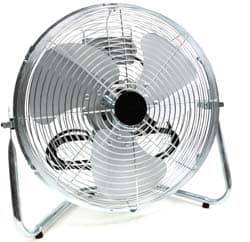 Point a fan where your cat can enjoy the breeze it creates. A fan helps humans cool off by evaporating sweat from your skin, and cats don’t sweat all over the way that humans do. That means that a fan isn’t quite as efficient for helping cool your cat as it is to cool you, but moving air around your cat that is cooler than her body temperature does help to draw heat away. If your cat is willing to let you wet her down with a damp washcloth, this effect works even better, but we won’t let a damp cloth anywhere near us.
Don’t forget that some fans are easier to tip over than others. If your cat is rambunctious or has climbing tendencies, a fan that sits on the floor is a safer choice than one on a tall pedestal that has a higher center of gravity and could be prone to toppling.
Save Strenuous Exercise for the Cooler Hours
You probably go out for your daily jog in the early morning to avoid the sizzling summer heat, and it’s no different for your cat. Don’t encourage strenuous play in the heat of the day. Playtime is important, and it’s great bonding between cat and human, but it can wait until after the house cools down. Or set your alarm a little early in the morning and have extra play time then.
You may regularly play with your cat until he is panting, but panting is also a sign of heat stress. Don’t push your cat’s exercise when it’s hot so that you can’t tell one from the other. And if your cat begins to act unusual after summer exercise, with rapid pulse and breathing, redness in his tongue and mouth, lethargy, or stumbling after a case of the midday zoomies, don’t assume he’ll be fine. Heat exhaustion signs like those need veterinary followup.
References
Heat Stroke in Cats, Pet MD.
How to Keep Your Pets Safe in the Summer Heat, American Humane Association


